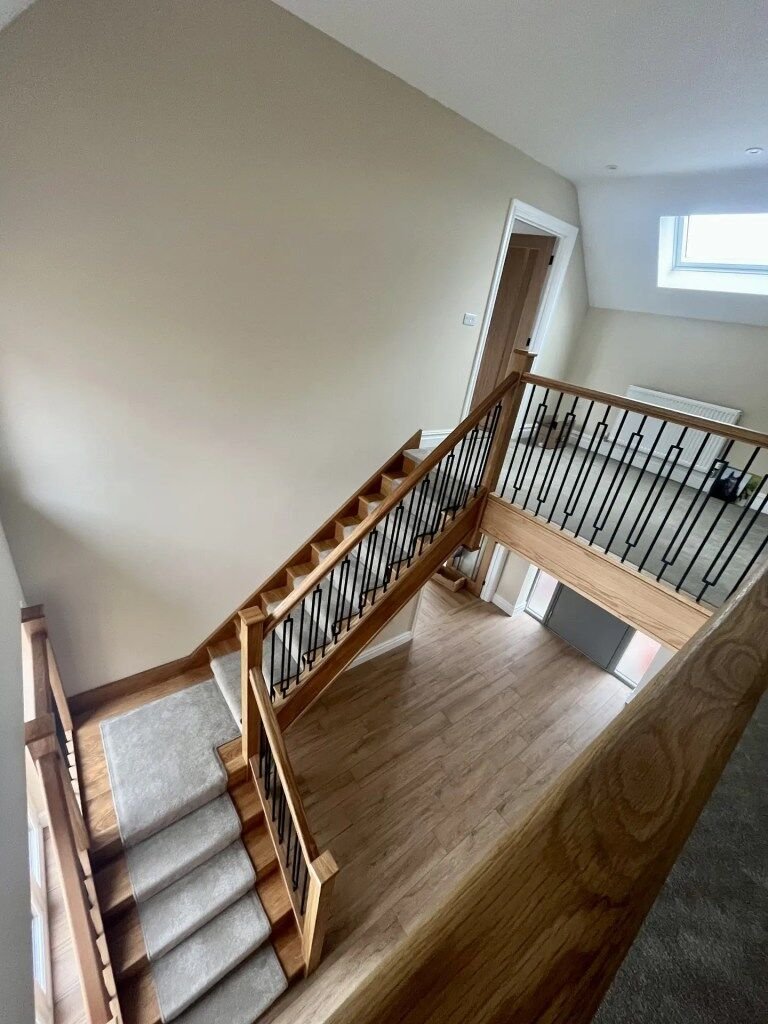
Navigating the Future: How the Levelling Up and Regeneration Act Affects the UK's Staircase Industry
Welcome to “The Word on the Stairs,” the official blog of StairGuys, your go-to source for all things staircase in the construction industry. As experts in both the staircase niche and the construction industry at large, we’re here to provide you with insights into the latest trends, innovations, and regulatory changes that impact our field. Today, we’re delving into a significant development that’s set to reshape the landscape of construction in the UK: the recent relaxation of planning laws under the Levelling Up and Regeneration Act 2023.
This landmark legislation introduces sweeping changes to the planning system, with the aim of speeding up processes, reducing bureaucracy, and facilitating the building of new homes. For us in the staircase industry, these changes hold profound implications. From the speed at which projects are green-lit to the types of constructions we’ll be involved in, the Act is poised to alter the way we operate, presenting both challenges and opportunities.
In this article, we’ll explore the nuances of the Levelling Up and Regeneration Act 2023, dissecting its main objectives and what it means for the construction industry at large. More specifically, we’ll examine its impact on the staircase sector, assessing how suppliers and manufacturers like us can navigate this new regulatory environment. Stay tuned as we step into the future of construction, one stair at a time.

Background on the Levelling Up and Regeneration Act 2023
In the ever-evolving landscape of the UK construction industry, the introduction of the Levelling Up and Regeneration Act 2023 stands as a significant milestone. At StairGuys, where our expertise spans the staircase industry and construction at large, we’re keenly observing how these reforms promise to reshape the sector.
Summary of the Levelling Up and Regeneration Act 2023
The Levelling Up and Regeneration Act 2023 heralds a new era in the planning and development process within the UK. With its primary objectives to expedite the planning system, reduce bureaucratic hurdles, and enhance the facilitation for new home constructions, the Act is a central piece of legislation for our industry
Central to the Act is the focus on making new developments more beautiful, producing more local infrastructure like GP surgeries, schools, and transport links, and ensuring these developments are shaped by the democratic wishes of local communities. This broad-ranging Act aims to balance the creation of new homes with the need to regenerate communities and enhance the environment, creating neighbourhoods that are not only liveable but desirable.
National Development Management Policies (NDMPs)
A key feature of the Levelling Up and Regeneration Act 2023 is the introduction of National Development Management Policies (NDMPs). NDMPs are set to take precedence over local plans, with the intention of making the planning process faster and more straightforward. In instances of conflict, NDMPs will override local plans, marking a significant shift towards a more centralized approach to planning
This move towards NDMPs has garnered mixed reactions. While some see it as a means to standardize policies and make the local planning landscape easier to navigate for developers, others raise concerns about the potential undermining of the local, plan-led system
For us in the staircase industry, these developments in the planning laws present both challenges and opportunities. The Act’s emphasis on quality and local infrastructure development could heighten demand for innovative staircase designs that complement the architectural integrity and functionality of new homes and community buildings. As we continue to monitor these changes, our role as industry experts is to anticipate how these policy shifts will influence our products and services, ensuring we remain at the forefront of delivering excellence in the ever-changing construction landscape.

Potential Impacts on the Construction Industry
The Levelling Up and Regeneration Act 2023 represents a seismic shift in the UK’s approach to planning and development, with far-reaching implications for the construction industry. At its core, the reform aims to streamline the planning process, significantly cutting down on bureaucracy and making it faster for new homes to be built. This move is expected to catalyze the construction sector, enabling projects to commence and conclude more swiftly than ever before.
One of the most notable aspects of the reform is its encouragement of development on brownfield sites. By prioritizing these previously developed lands that may have been neglected or fallen out of use, the government is not only aiming to make more efficient use of space within urban environments but also to preserve the green belts and countryside. This approach dovetails with the growing emphasis on sustainability within the construction industry, providing a clear directive to repurpose and regenerate areas with existing infrastructure over developing untouched land.
Moreover, the Act places a strong emphasis on local infrastructure development. It mandates the inclusion of essential services and amenities such as GP surgeries, schools, and transport links in new developments. This holistic approach ensures that the construction of new homes goes hand in hand with the enhancement of community facilities, making new developments more attractive and livable. For the construction industry, this means an increase in multi-faceted projects that not only include residential buildings but also the necessary social infrastructure to support growing communities.
For staircase manufacturers and suppliers within the construction industry, these changes signify a plethora of opportunities. The acceleration of the planning process could result in an increased number of projects coming to fruition, thereby elevating demand for staircases in both residential and commercial developments. Additionally, the focus on brownfield sites and the integrated approach to infrastructure could necessitate innovative staircase solutions that accommodate unique architectural challenges and space limitations often found in redevelopment projects.
In summary, the Levelling Up and Regeneration Act 2023 is poised to inject dynamism into the construction industry, fostering an environment where projects are not only realized faster but are also more comprehensive in their scope. As the construction landscape evolves under this new legislative framework, companies within the sector, especially those specialized in staircase manufacturing and supply, must adapt to the changing demands and opportunities this reform presents.
Pros and Cons of the Planning Law Reforms
In the wake of the recent planning law reforms introduced by the Levelling Up and Regeneration Act 2023, the construction industry, including the niche staircase sector, stands at the cusp of significant transformation. Here, we dissect the anticipated benefits and potential drawbacks of these changes, aiming to offer a balanced view from our vantage point in the staircase industry.
Pros
- Acceleration of the Planning Process:
The crux of these reforms lies in their ability to speed up the planning process. For staircase manufacturers and suppliers, this could mean shorter lead times from project conception to commencement. The streamlined procedures are poised to facilitate quicker project starts, reducing the waiting period that can often stall projects and escalate costs.
- Emphasis on Local Infrastructure:
With a pronounced focus on developing local infrastructure, the reforms beckon a surge in comprehensive construction projects. This broadens the horizon for the staircase industry, as new developments will likely necessitate a diverse range of staircase solutions, from residential buildings to commercial and public spaces. The integration of staircase design from the outset of planning could see a spike in demand for innovative and sustainable staircase solutions.
- Increased Use of Brownfield Sites:
The reforms advocate for a ‘brownfield-first’ approach, prioritizing the redevelopment of previously developed sites over greenfield development. This shift could unveil new opportunities for staircase suppliers and manufacturers to contribute to urban regeneration projects, where the emphasis on aesthetics and functionality can showcase the staircase as a focal point of interior design and architecture.
Cons
- Potential Conflicts Between NDMPs and Local Plans:
National Development Management Policies (NDMPs) now hold precedence over local plans, introducing a layer of complexity that could breed uncertainty among developers and industry stakeholders, including those in the staircase sector. The potential for conflicts between NDMPs and local plans could complicate compliance and project approval processes, affecting timelines and project feasibility.
- Concerns Over Development Quality:
The relaxation of planning standards, while intended to expedite development, has raised concerns about the potential compromise on quality. For the staircase industry, this could manifest in a pressure to cut costs that may adversely affect the quality of materials and craftsmanship, undermining the long-term sustainability and aesthetic appeal of staircase installations.
- Risk of Environmental and Community Backlash:
Increased development, especially in areas previously untouched or in urban settings aiming for densification, carries the risk of environmental and community opposition. Projects may face hurdles in the form of protests, legal challenges, or stringent local regulations, potentially delaying or derailing developments that include staircase construction.
Specific Implications for the Staircase Industry
The recent shifts in the UK’s planning laws usher in a new era for the construction industry, with significant bearings on the staircase sector. This segment aims to unravel how these changes might influence staircase manufacturers and suppliers, spotlighting potential for innovation and addressing emerging challenges.
Quicker Planning Processes and Redevelopment Focus
The streamlined planning process under the Levelling Up and Regeneration Act 2023 is a double-edged sword for the staircase industry. On one hand, it promises expedited timelines from the drawing board to construction, potentially leading to a surge in demand for staircase projects as part of the broader acceleration in construction activities. This acceleration can benefit staircase suppliers by increasing the volume of projects and reducing the downtime between contracts.
On the other hand, the focus on redevelopment, especially on brownfield sites, presents unique opportunities and challenges. Redevelopment projects often come with their own set of constraints, including existing structural limitations and the need for creative integration into the urban fabric. These projects may demand bespoke staircase solutions that cater to unique architectural styles or stringent space utilization requirements, pushing manufacturers and suppliers towards more customized, innovative offerings.
Innovation in Staircase Design and Installation
The legislative changes encourage innovation in several key areas:
- Sustainability: There’s an increasing demand for eco-friendly materials and construction methods. The staircase industry can leverage this trend by innovating in the use of sustainable materials and environmentally friendly manufacturing processes.
- Aesthetics and Functionality: Redevelopment projects and new constructions under the revised planning laws emphasize aesthetics and functionality. Staircase manufacturers have the opportunity to experiment with designs that combine beauty and practicality, making staircases standout features of interior and architectural design.
- Integration of Technology: The shift towards digital planning and the emphasis on design codes offer staircase manufacturers the chance to integrate advanced technologies, such as 3D modeling and digital fabrication, into their design and manufacturing processes. This can streamline production, allow for precise customization, and potentially reduce waste.
Adapting to Rapid Changes
The dynamic nature of the planning and construction timelines, accelerated by the new planning laws, requires staircase manufacturers and suppliers to be more agile and adaptable. Fluctuations in demand, rapid turnaround times, and the need for customization necessitate a flexible approach to manufacturing, supply chain management, and client consultations.
- Manufacturing Flexibility: Adopting modular designs or adjustable components can help staircase companies accommodate a wide range of project requirements without the need for entirely bespoke solutions for each project.
- Supply Chain Resilience: Strengthening supply chain resilience is crucial to ensure the timely delivery of materials and components, especially in a market characterized by rapid project turnovers and varying demands.
- Client Collaboration: Early and ongoing collaboration with clients, architects, and contractors is essential to ensure that staircase designs are seamlessly integrated into projects, meeting both aesthetic and functional requirements.
Case Studies and Industry Responses to the Levelling Up and Regeneration Act 2023
The Levelling Up and Regeneration Act 2023 has sparked a mix of reactions across the construction industry, with stakeholders evaluating its implications on future developments, including the specialized niche of staircase manufacturing and supply.
Industry Responses
The Royal Institution of Chartered Surveyors (RICS) acknowledged the Act as a significant opportunity for the built environment. It emphasized the potential to address the UK’s housing and high street regeneration challenges, highlighting the inclusion of digital planning services and stronger design codes that allow local planning authorities to make decisions based on local needs. Additionally, the Act promises more power to residents in shaping developments and introduces the Environmental Outcomes Report to replace existing Environmental Impact Assessments, focusing on assessing plans against environmental outcomes and mitigation measures
Pinsent Masons, a global law firm, echoed the sentiment that the Act is aimed at delivering more homes within a less bureaucratic planning system. However, they also pointed out the need for detailed regulations and sufficient resources for local authorities to effectively implement the changes. The transition to Environmental Outcomes Reports (EORs) marks a significant shift from the traditional environmental impact assessment process, aiming to simplify and strengthen environmental assessment
The Royal Town Planning Institute (RTPI) has been actively involved in the Bill’s passage through parliament, advocating for changes that reflect the planning community’s needs. The RTPI highlighted important concessions made by the government, including requirements for public consultation on new development management policies and considerations for climate change adaptation and mitigation. However, they also noted that not all of their suggestions were incorporated into the final Act
Case Studies
While specific case studies detailing the staircase industry’s navigation of the new planning landscape post-Act are yet to emerge, the broader construction industry’s optimistic outlook suggests a fertile ground for innovative responses. The emphasis on digital planning services and the introduction of EORs, for instance, could streamline processes for staircase suppliers and manufacturers involved in new housing and infrastructure projects. These changes present an opportunity for the staircase industry to adapt and innovate, potentially leading to more efficient project approvals and a greater focus on design and sustainability in staircase construction.
Future Outlook and Recommendations
As the UK construction and staircase industries adjust to the new realities shaped by the Levelling Up and Regeneration Act 2023, it’s clear that the landscape is poised for further evolution. The Act has set the stage for ongoing consultations and forthcoming reforms aimed at refining and enhancing the planning process, with a significant focus on sustainability, community engagement, and digitization.
Ongoing Consultations and Future Reforms
The introduction of Environmental Outcomes Reports (EORs), replacing the traditional environmental impact assessment process, indicates a trend towards more outcome-focused and environmentally conscious planning
Moreover, the government’s push towards digitizing planning services and introducing more standardized planning data points to an era where efficiency and accessibility in planning applications become paramount
Recommendations for Staircase Industry Stakeholders
- Stay Informed and Engaged: Staircase industry stakeholders should actively follow updates on planning law reforms and participate in consultations. This engagement will ensure that the industry’s needs and concerns are considered in shaping the practical application of new regulations.
- Embrace Digital Transformation: The move towards digitized planning processes represents an opportunity for staircase manufacturers and suppliers to leverage technology for efficiency. Investing in digital design tools and project management software can facilitate smoother submissions and revisions, aligning with the new digital-first approach.
- Prioritize Sustainability: With environmental considerations becoming increasingly central to planning approvals, staircase companies should explore sustainable materials and eco-friendly manufacturing processes. This shift not only aligns with regulatory trends but also meets growing consumer demand for sustainable construction practices.
- Foster Collaborations: Building strong relationships with architects, builders, and local planning authorities can enhance the staircase industry’s ability to navigate the new planning environment successfully. Collaboration can lead to innovative design solutions that meet both aesthetic and regulatory standards.
- Educate and Train: Ensuring that staff are up-to-date on the latest planning regulations and digital tools is crucial. Consider implementing training programs or workshops to build internal expertise on navigating the new planning landscape effectively.
Conclusion
Throughout this exploration of the Levelling Up and Regeneration Act 2023, we’ve delved into its profound implications for the UK construction industry, with a particular focus on the staircase sector. The Act, with its ambitious reforms, presents a mixed bag of opportunities and challenges that stakeholders must navigate to harness its full potential.
We’ve identified the Act’s core objectives to streamline the planning process, enhance local infrastructure, and promote redevelopment, particularly on brownfield sites. These changes aim to expedite construction projects and foster a more inclusive and efficient planning environment
However, the reforms also introduce potential hurdles, such as the complexity of navigating National Development Management Policies (NDMPs) and local plans, quality concerns stemming from relaxed planning standards, and the risk of environmental and community backlash against increased development
The future landscape, punctuated by ongoing consultations and impending reforms, underscores the importance of adaptation, digital engagement, sustainability, and collaboration. By prioritizing these areas, the staircase industry can not only navigate the evolving regulatory framework but also thrive within it, contributing to the creation of sustainable, well-designed built environments that meet the needs of communities and the planet.
In conclusion, the Levelling Up and Regeneration Act 2023 ushers in a new era for the construction and staircase industries. By balancing the opportunities and challenges it presents, embracing innovation, and fostering strong partnerships, the staircase sector can elevate its role in shaping the future of construction, demonstrating resilience and creativity in the face of change.